Capturing Curiosity at the Bad Bunny Superbowl

2026-01-07
As we continue to track shifts in the narrative landscape around climate in 2025, one pattern is clear: climate news coverage is increasingly ambient, showing up less as a single, standalone topic that comes and goes and more as a fixture of our always-on media environment. In other words, instead of appearing only in news cycles tied to IPCC reports, COP Summits, or extreme weather events, climate is now folded into beats like food, health, geopolitics, lifestyle, and innovation.
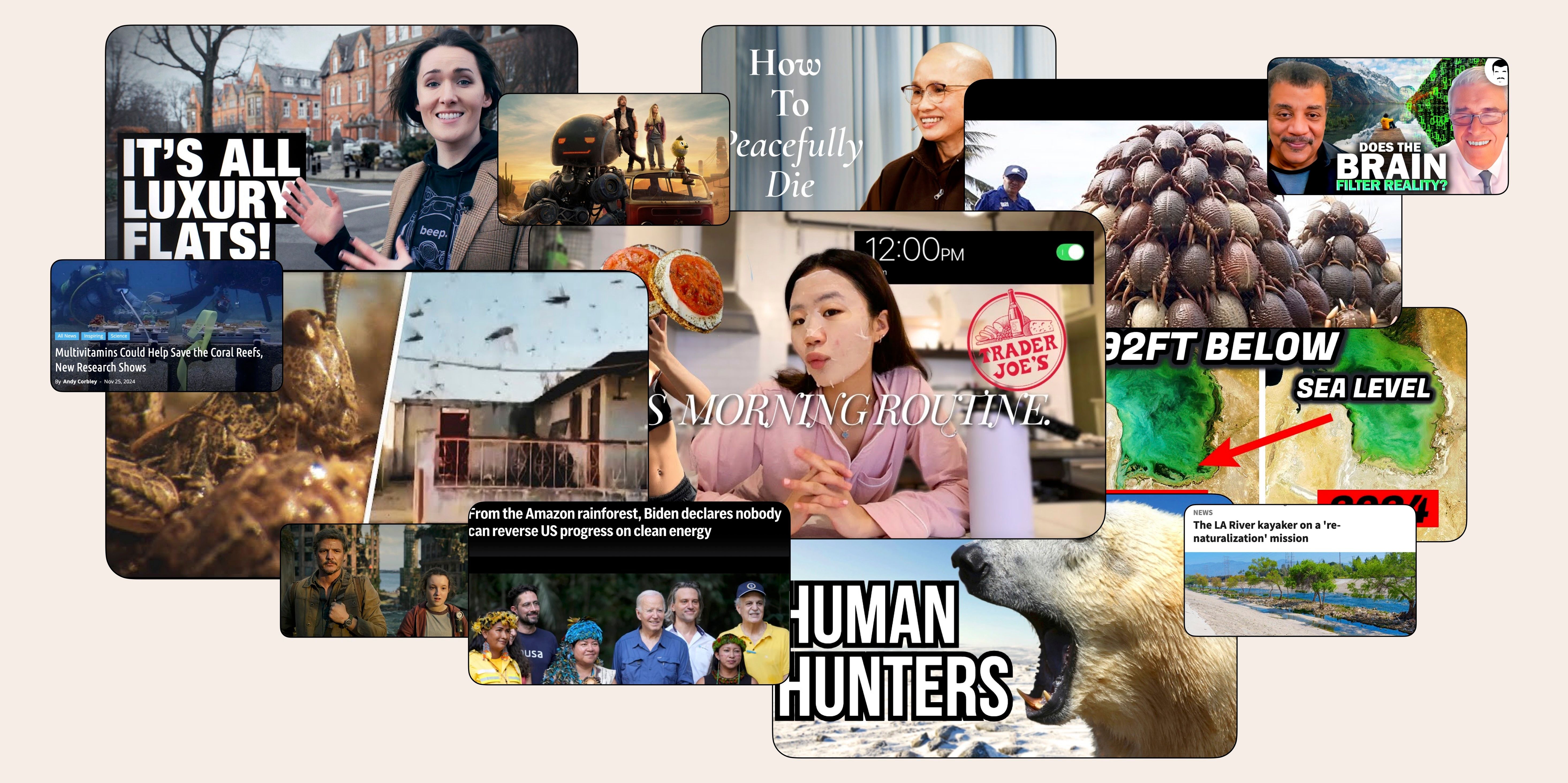
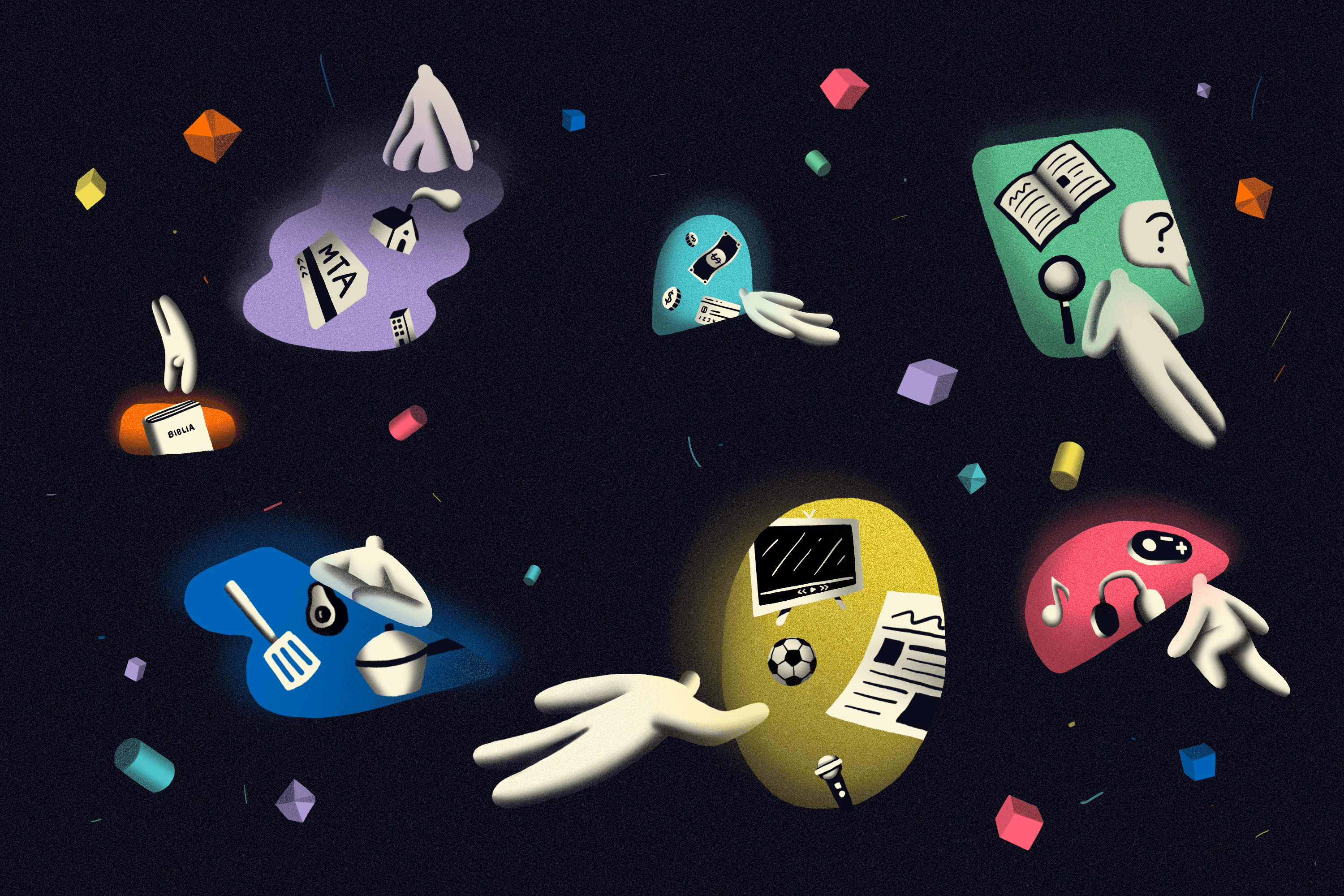
This shift makes it easier, perhaps, for climate communicators to plug into the full range of what media has to offer today, including creator content. For many audiences, creators, not news institutions or other media brands, are the most familiar and trusted interpreters of what matters. So if storytellers want climate stories to travel organically in media, they probably need to be fluent in the distinct creator cultures audiences participate in: YouTubers they grew up with and podcasts they fall asleep to.
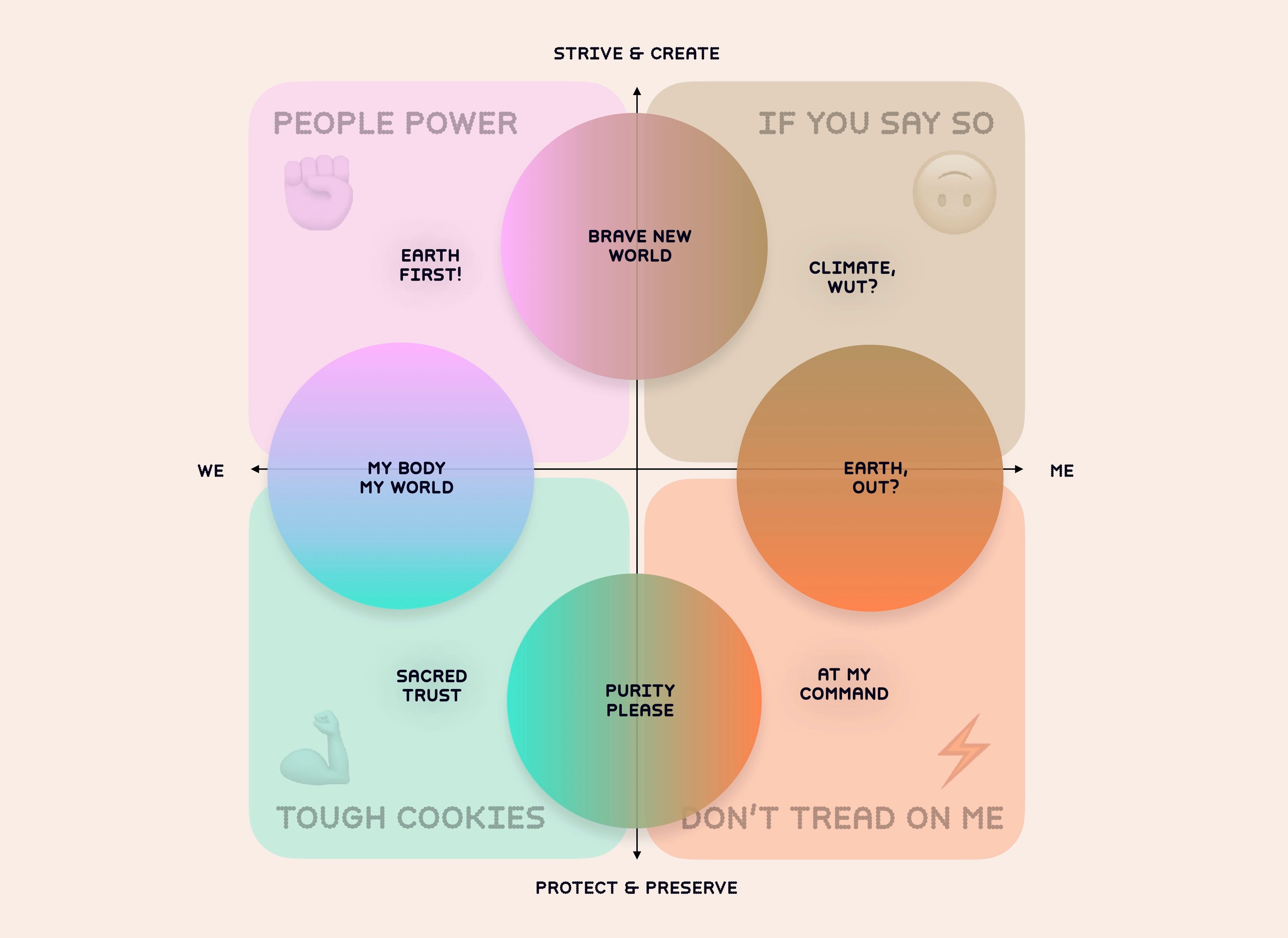
Understanding what each audience consumes, including their top creators, movies, music, and brands can tell us a lot about what resonates, what feels out of place, and how to reach people organically in media. That’s why we updated the audience map we originally created in 2023 to support climate communicators. There are eight opportunity zones, each defined by attitudes toward climate, the future, and participation, based on audience values, and supplemented with their distinctive media behaviors.
These zones include both four core audiences and four “bridges” that offer some of the most actionable opportunities for expansion beyond a base audience:
Before we begin, one observation from our 2023 analysis still holds true and deserves headlining. Across all eight audience zones, we observed a healthy respect for habitat earth. There was vanishingly little hardcore climate denialism; we didn’t find anti-earth sentiment, or widespread rejection of the basic idea that nature is worth caring about. In fact, from our Deep Story survey, we found that 83% of people across all eight audience zones say they “enjoy spending time in nature”; 88% agree that “it’s important to preserve the environment and its natural surroundings so that future generations can enjoy it as I have”; and 86% agree that “regardless of environmental changes, it’s important to make preparations at home for potential disasters.”
What differs, and sometimes sharply, is not whether nature matters, but what nature is, what human beings are, and the place and purpose of each relative to the other. Audiences whose values lean toward striving and creating tend to believe that “climate change requires us to create new ways of living” (64% of People Power and 52% of If You Say So, compared to 39% of Tough Cookies and 28% of Don’t Tread On Me). And audiences also diverge on off-grid living: those with more individualistic or meritocratic values are more likely to prioritize their family’s ability to provide for their own needs independently (42% of Don’t Tread On Me and 38% of If You Say So, compared to 31% of Tough Cookies and 26% of People Power), though even here opinions generally cluster in the middle rather than splitting into extremes.
More than anything, this divergence is what the climate audience profiles explore.
Below, we offer detail on one audience in particular. If you want to dive deeper into how different audiences experience climate in their everyday media and test new content approaches of your own, explore our Narrative Observatory site for all 8 audience profiles.
People in the Don’t Tread On Me audience are grounded in authority as a value, which often means they prize self-reliance, mastery, and protection from external threats. For this audience, control over energy is central—personally, locally, and nationally—and any challenges posed by climate are simply a test of human capability and strategic advantage. They tend to embrace technologies or behaviors that reinforce independence, and are suspicious of anything that suggests dependence or unstrategic trade-offs.
They naturally gravitate toward stories where the action is to defend: defending land or valuable resources, preparing for disruptions, and generally protecting their way of life. And because their orientation toward threat is so strong, they also need to know who the enemy is. Whether the perceived adversary is natural forces, geopolitical rivals, or government overreach, Don’t Tread On Me responds when the stakes and the antagonist are clearly named and formidable.
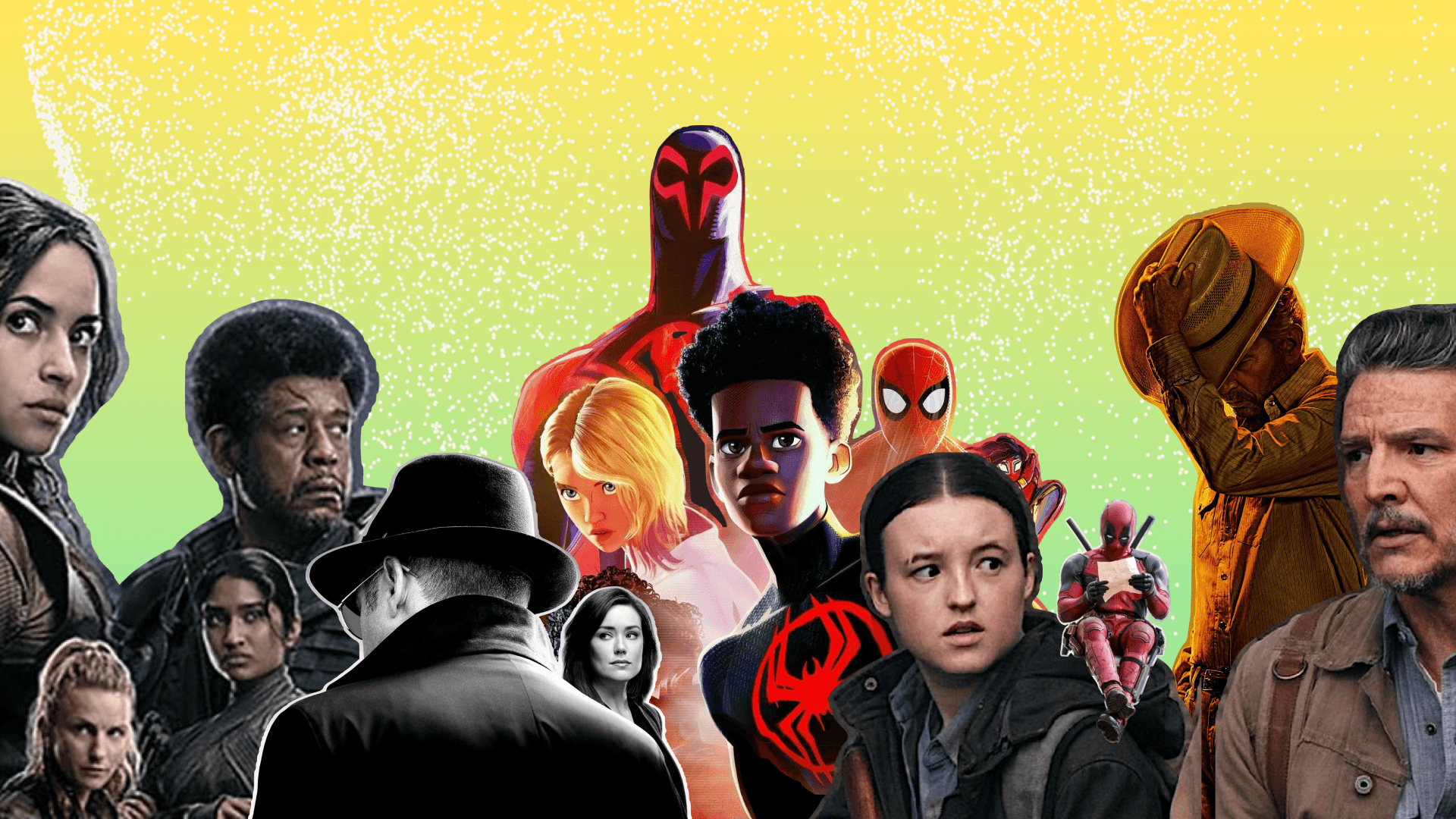
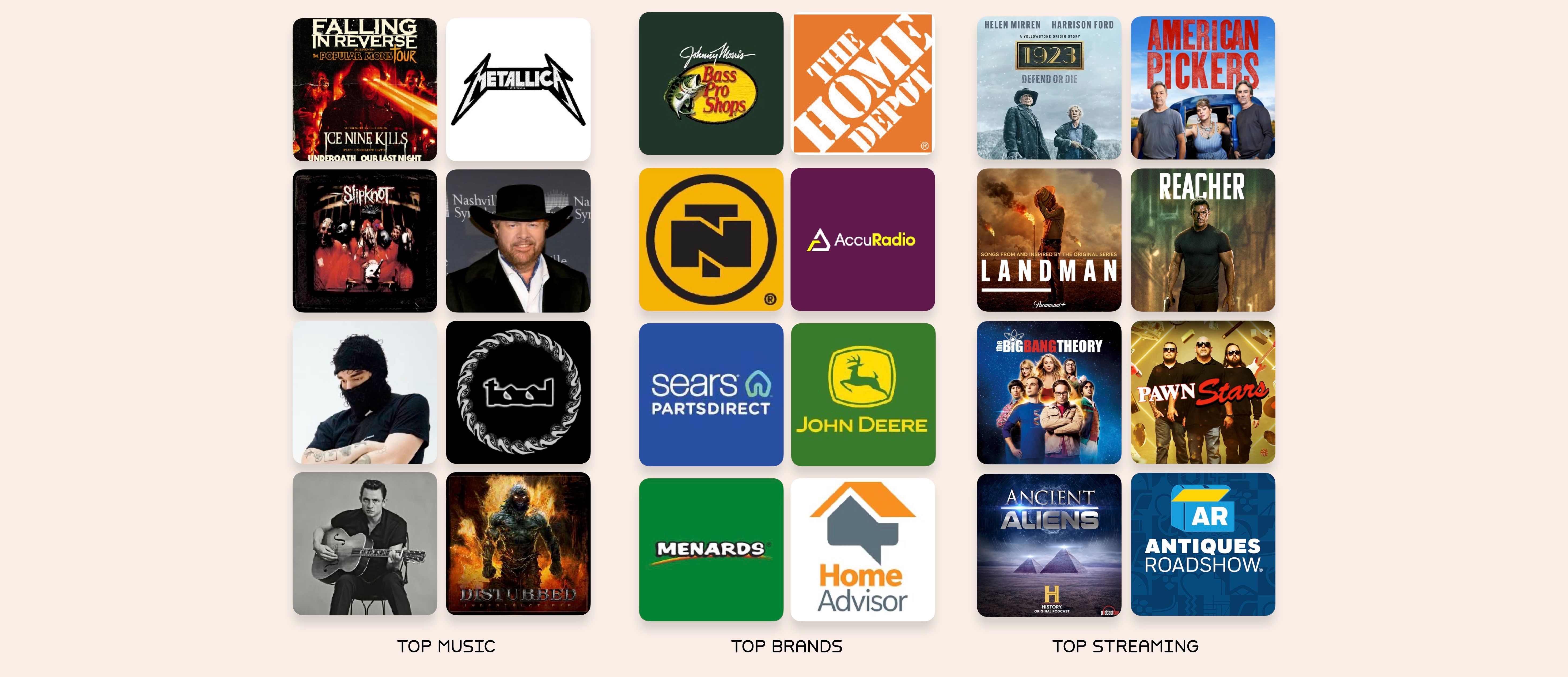
Don’t Tread On Me’s media world is saturated with stories of grit and competence. Their entertainment slate features manifest-destiny Westerns, crime-fighting, prepper content, and family-fed dramas where mastery of tools and terrain creates security. Hard rock and country dominate music playlists. When it comes to brands and lifestyle, it’s all about tools, gear, and equipment for fixing what’s broken.
For Don’t Tread on Me, the world is a dangerous place. It’s eat or be eaten. Only mastery over materials, environments, and our own physical capabilities can help us survive and maintain preeminence as a species. Climate content that resonates often features dark or explosive imagery, animals hunting each other, and high-stakes threats. Men are usually at the center of these stories, exerting control over nature, by mastering DIY energy generation and showing skepticism about international climate governance.
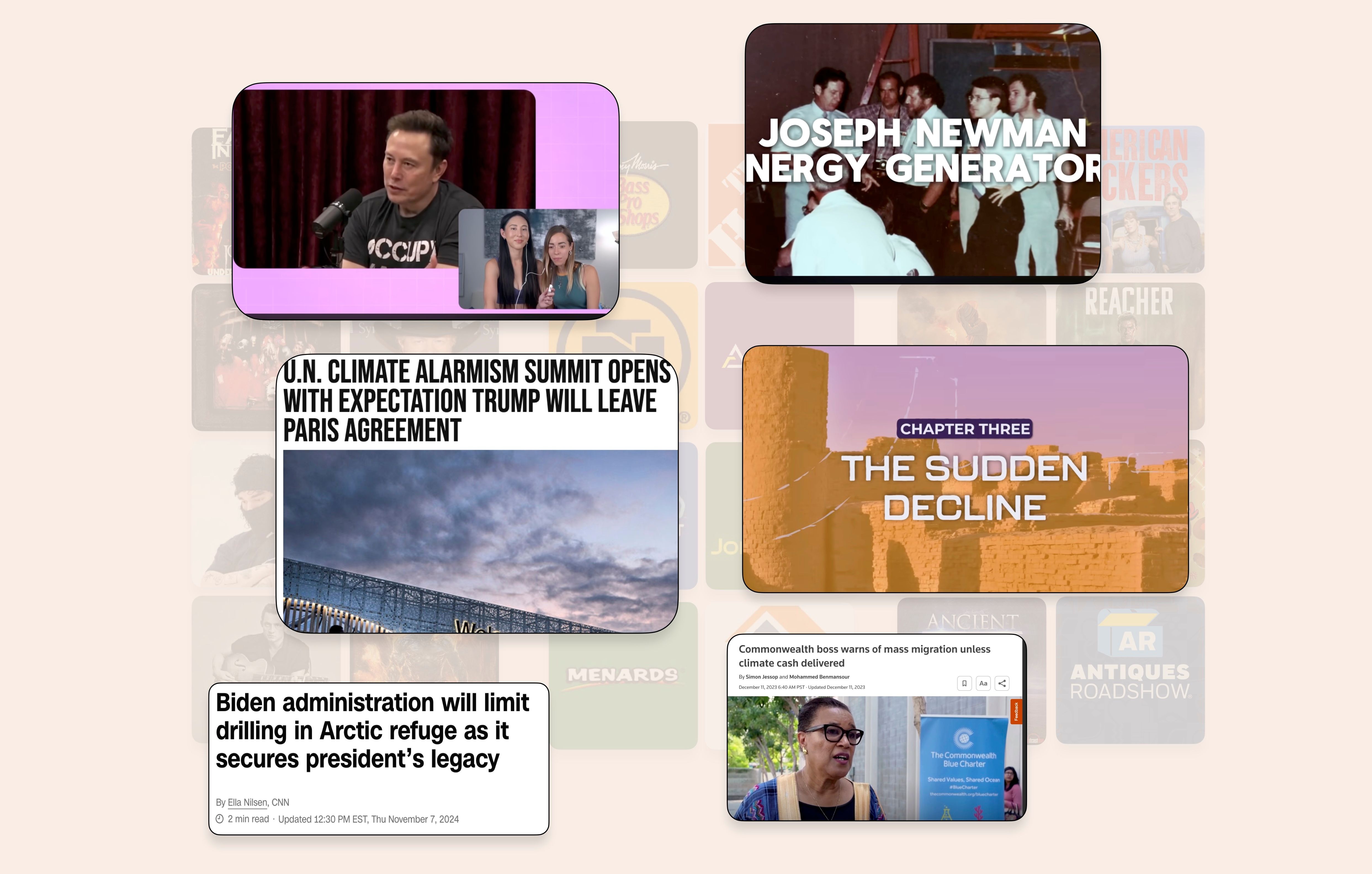
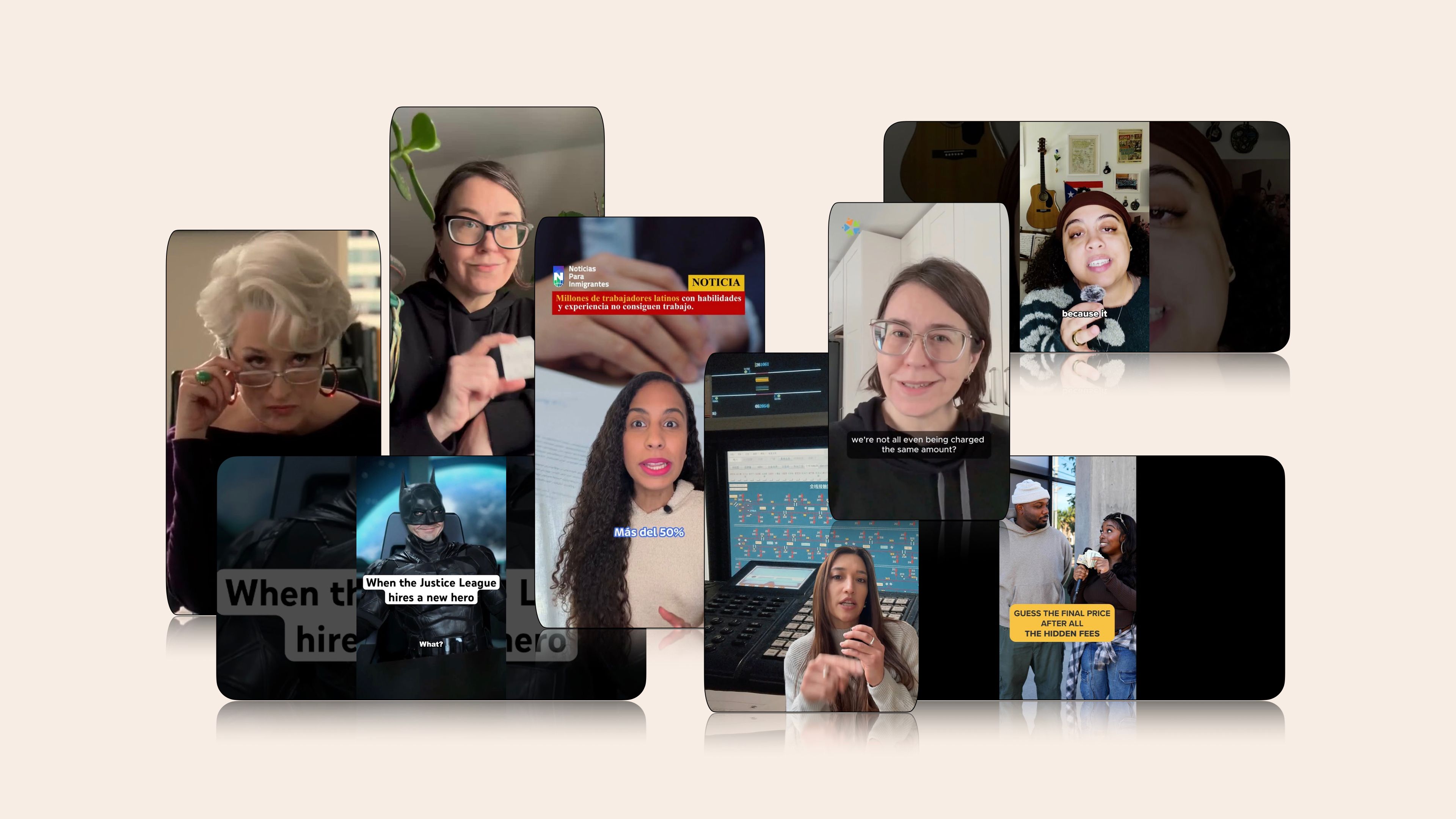
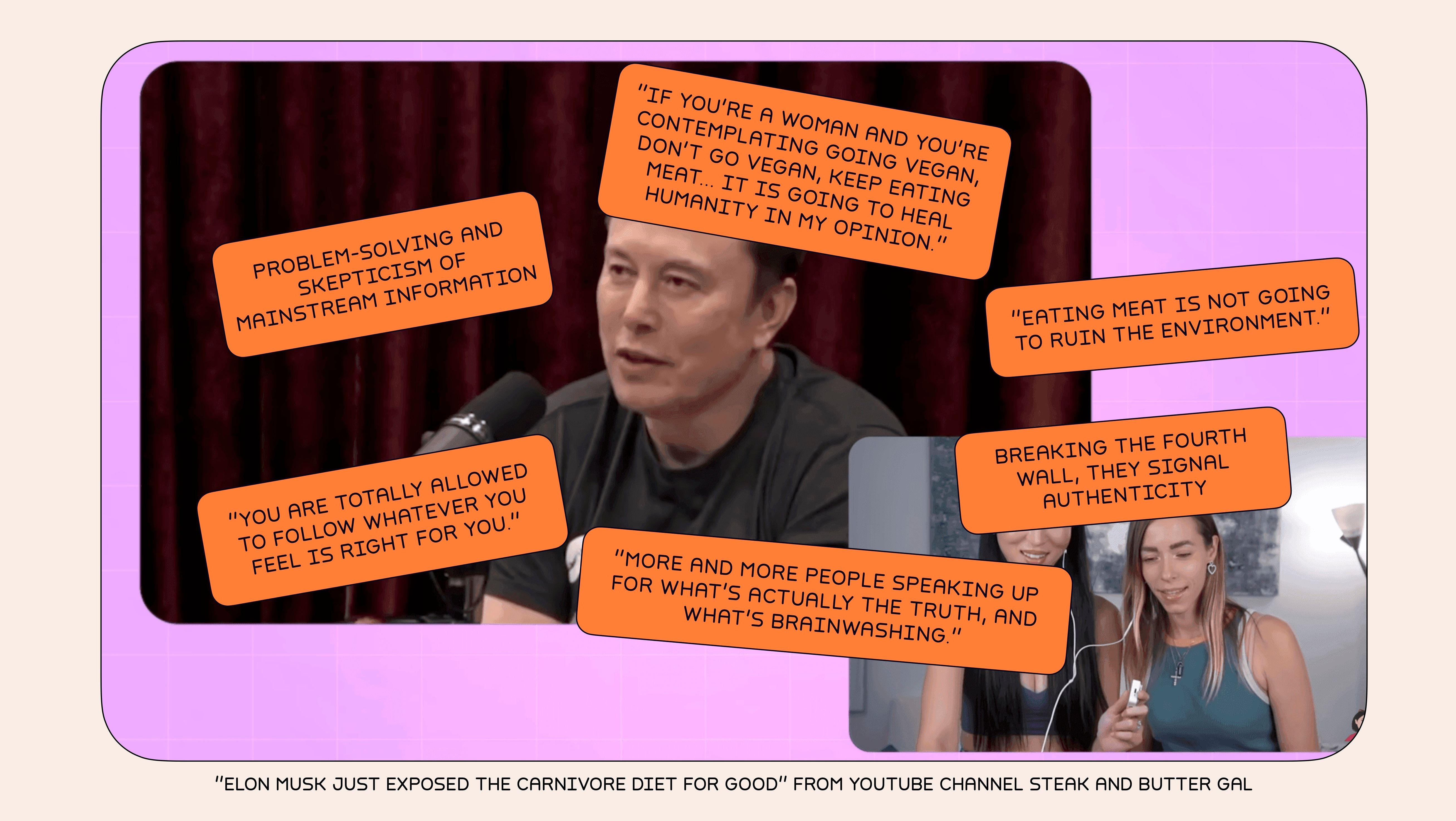
Here’s a representative example of Don’t Tread On Me’s first-person problem-solving and skepticism of mainstream information: a video where two women speak directly and confidently to the viewer about the legitimacy of the carnivore diet. By breaking the fourth wall, they signal authenticity. They frame dietary choice as a matter of personal sovereignty, repeatedly invoking “healing” and resisting “brainwashing.” For Don’t Tread On Me, the message here is not really about climate; it’s about defending the right to decide for oneself, and rejecting imperatives imposed from outside and on high.
Don’t Tread On Me could be willing to give up fossil fuels but they may not want to give up personal ownership of power sources. Their superpower is strength and strategy; their kryptonite is compassion, especially when it feels like being asked to put nature or “outsiders” first. When writing stories for this audience, it’s helpful to emphasize benefits to humans and better to avoid anything that feels like subordination to nature, aka saving owls over local jobs.
Have an idea for how a culture-first approach could help change the course of our climate future? Get in touch.