Capturing Curiosity at the Bad Bunny Superbowl

2026-02-25
At a time when nearly 40% of Americans say they’re actively avoiding political news and civic knowledge remains low, entertainment has become one of the most consistent ways people encounter stories about government.
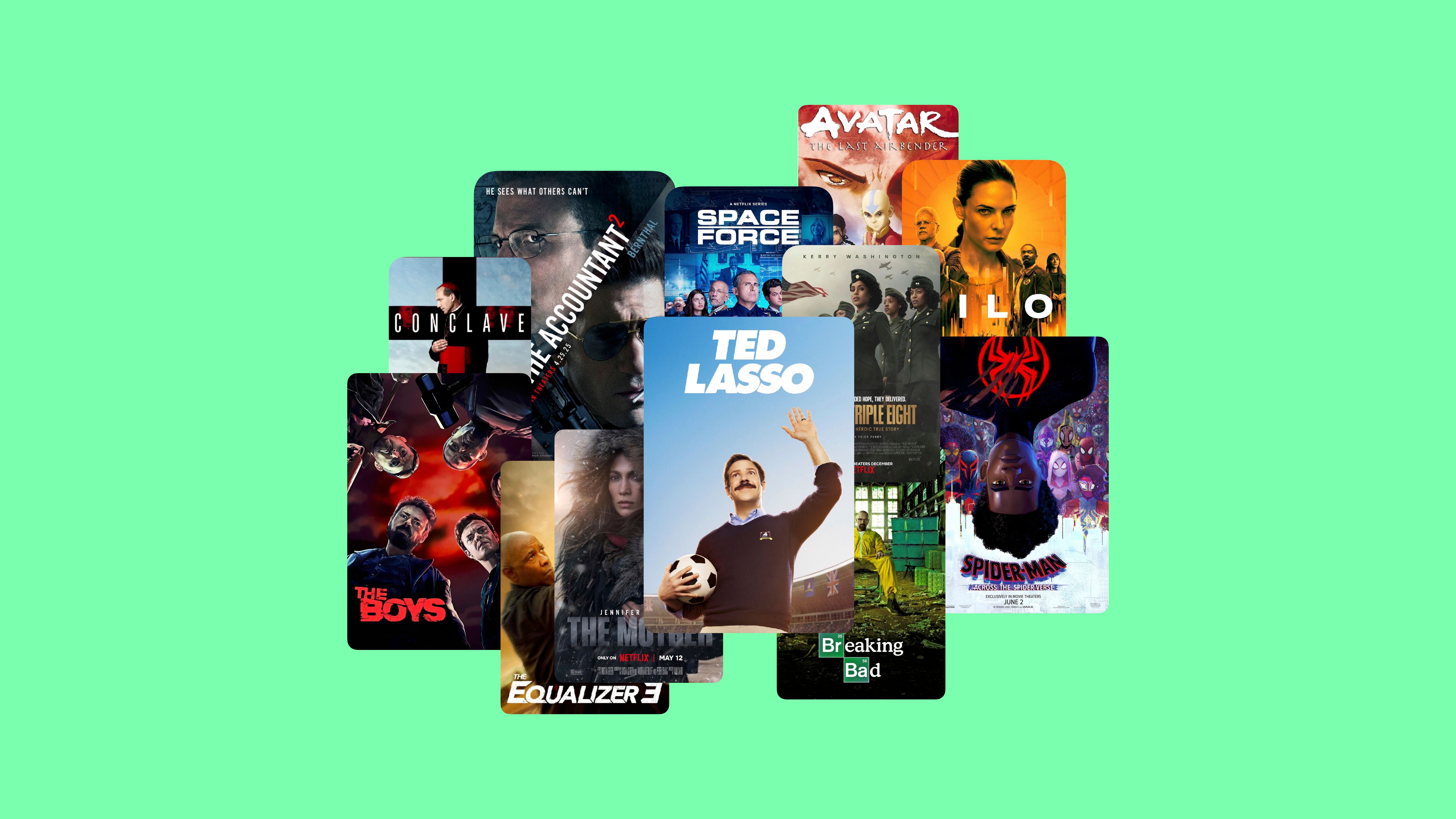
To understand what that means, especially at scale, we coded 2,000 of the most popular shows and films for relevance to democracy and authoritarianism. One finding stood out: on any given day, 58% of the scripted streaming that people watch is government-relevant.
Over the last two years, Democracy 2076 and Harmony Labs have partnered to study how entertainment media shapes people’s beliefs about government. You can watch our latest briefing below, and read along with highlights from the latest report.
Watch now: Democracy 2076 and Harmony Labs present The Power of Story to Grow Democracy
Stories that shape people’s beliefs about democracy don’t need to be set in government. They just need a system, with rules, incentives, hierarchies, consequences, and a hero who attempts to change how that system works. Those systems can be schools, newsrooms, community organizations, workplaces, or sports teams—basically anywhere decisions get made and shape outcomes. Ted Lasso, for example, never mentions government yet models democracy: a struggling English football club run as a rigid hierarchy becomes a more inclusive and successful organization as Ted’s unconventional coaching helps reform the system from within.
For storytellers in media and entertainment, this means they shouldn’t be constrained by political settings. Plenty of non-political premises still carry civic meaning when the system is clear and the hero makes a real attempt to change something within it.
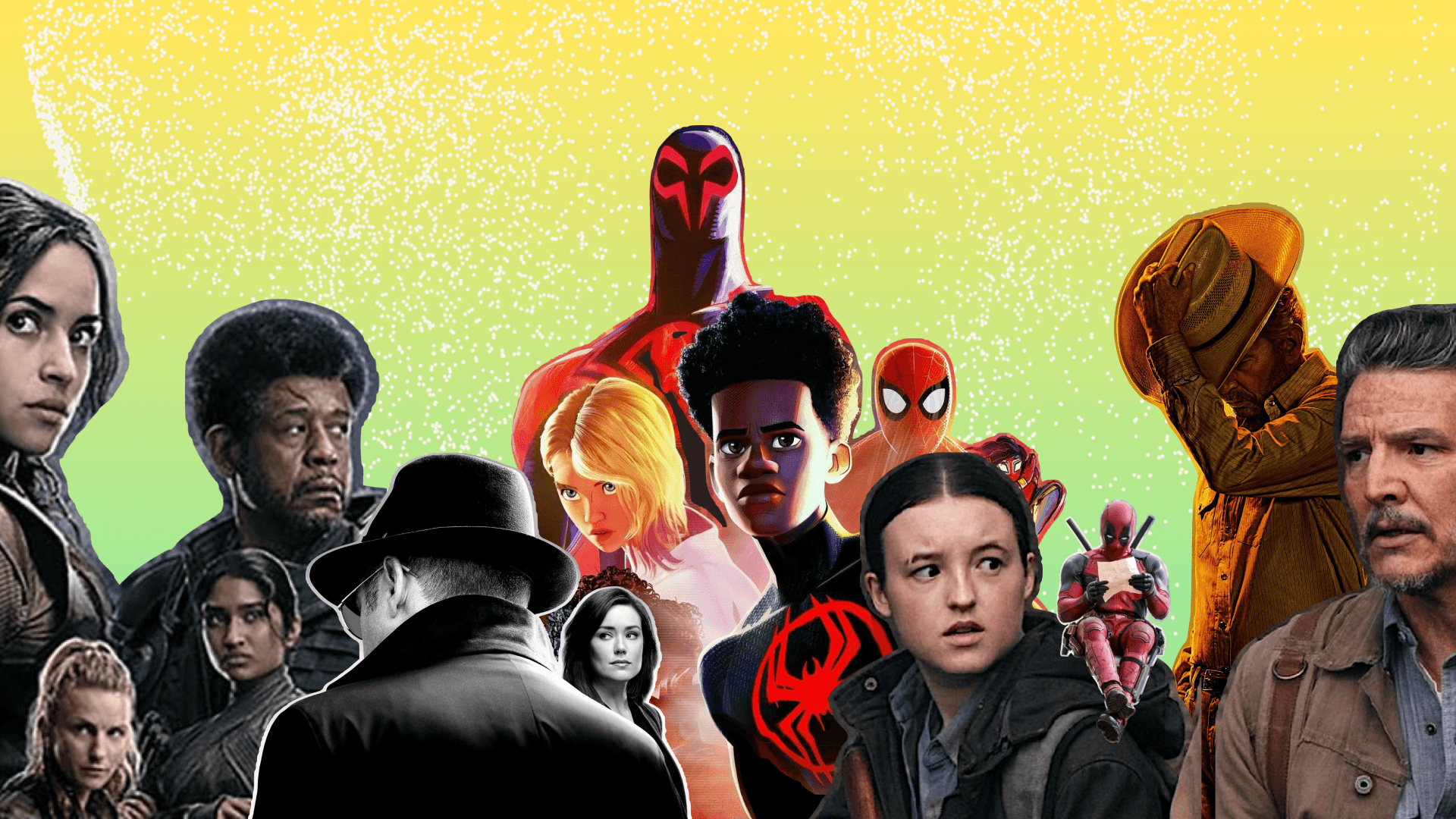
Audiences choose media that reflect what they value, and those values can often indicate the hero archetypes and story arcs that feel satisfying. Across the stories we analyzed, the patterns we observed fall broadly into four modes of change—revolutionary, evolutionary, restorative, and reformative. We translated those into four hero archetypes that map to each audience’s preferred type of systemic change: the insider-transformer, the outsider-transformer, the insider-restorer, and the outsider-restorer.
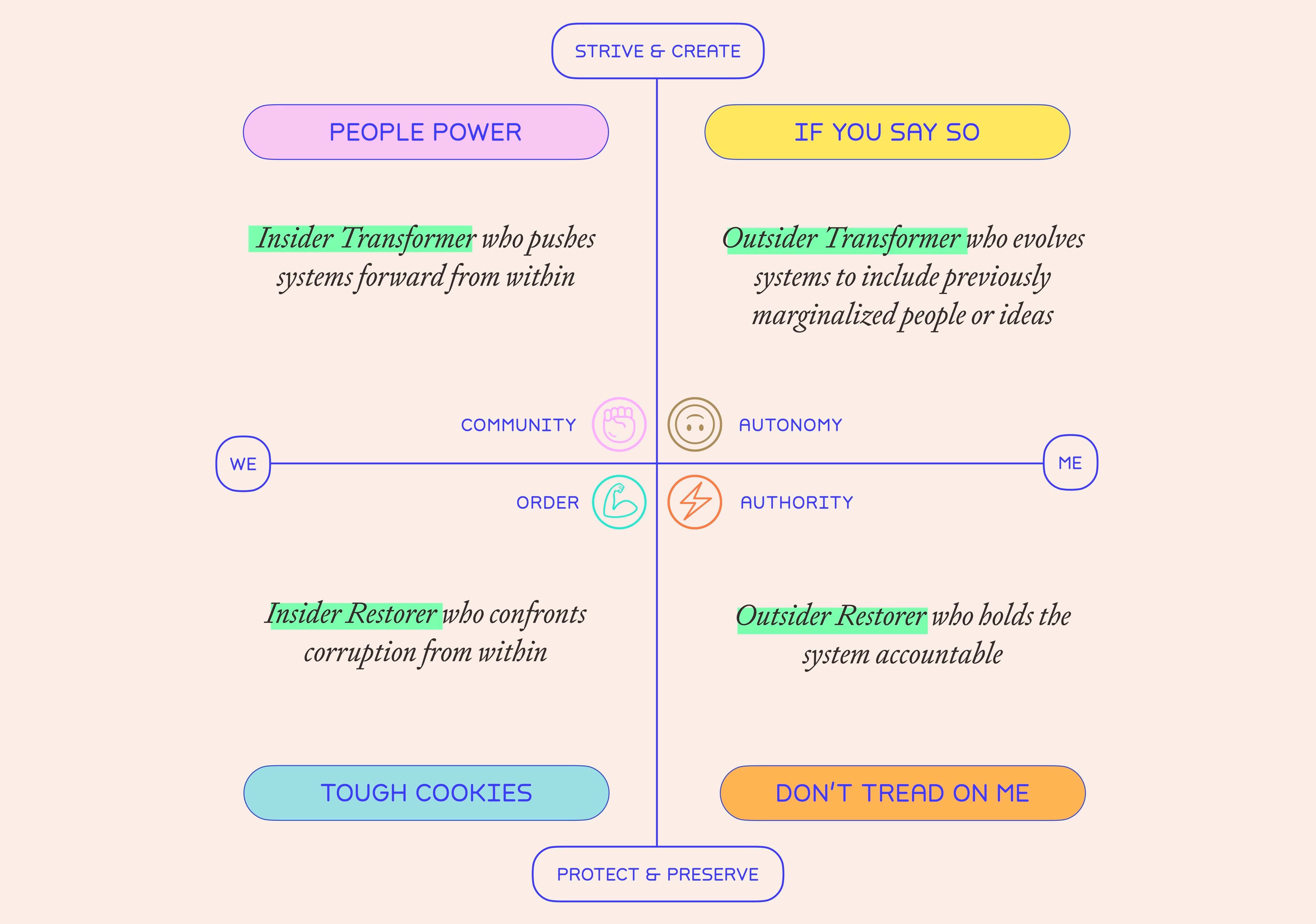
These hero types show up again and again across genres and settings, offering clues for how to reliably connect an audience with a vision of democracy that they want, and one they can actively root for.
For community-valuing People Power, transformation looks like heroes who work from within the system to drive big, structural change. Some of the titles that get described as “about government” fit here because they center systemic insiders.
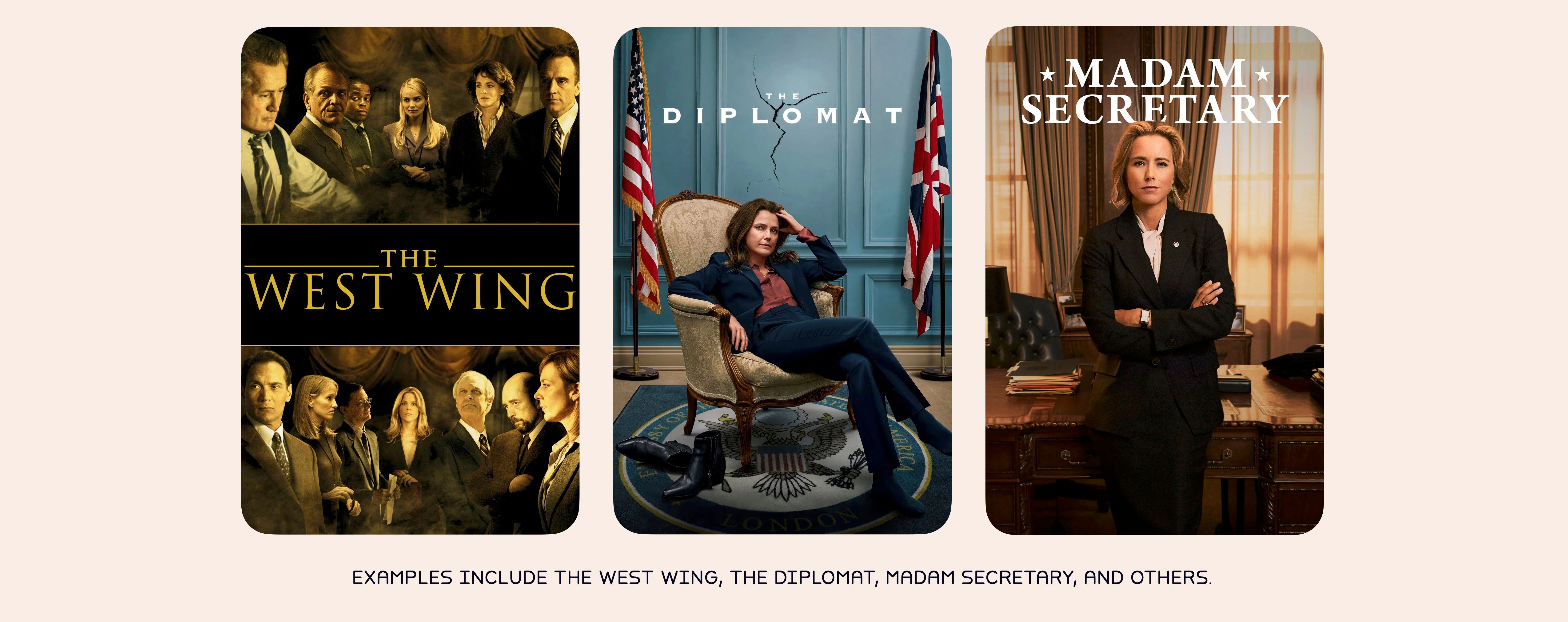
Transformation can come from outside, too. Autonomy-oriented If You Say So tends to engage with underdog outsiders who fight for an in-group of family or friends. Their goals often involve adapting systems to include people or ideas that have been pushed out.
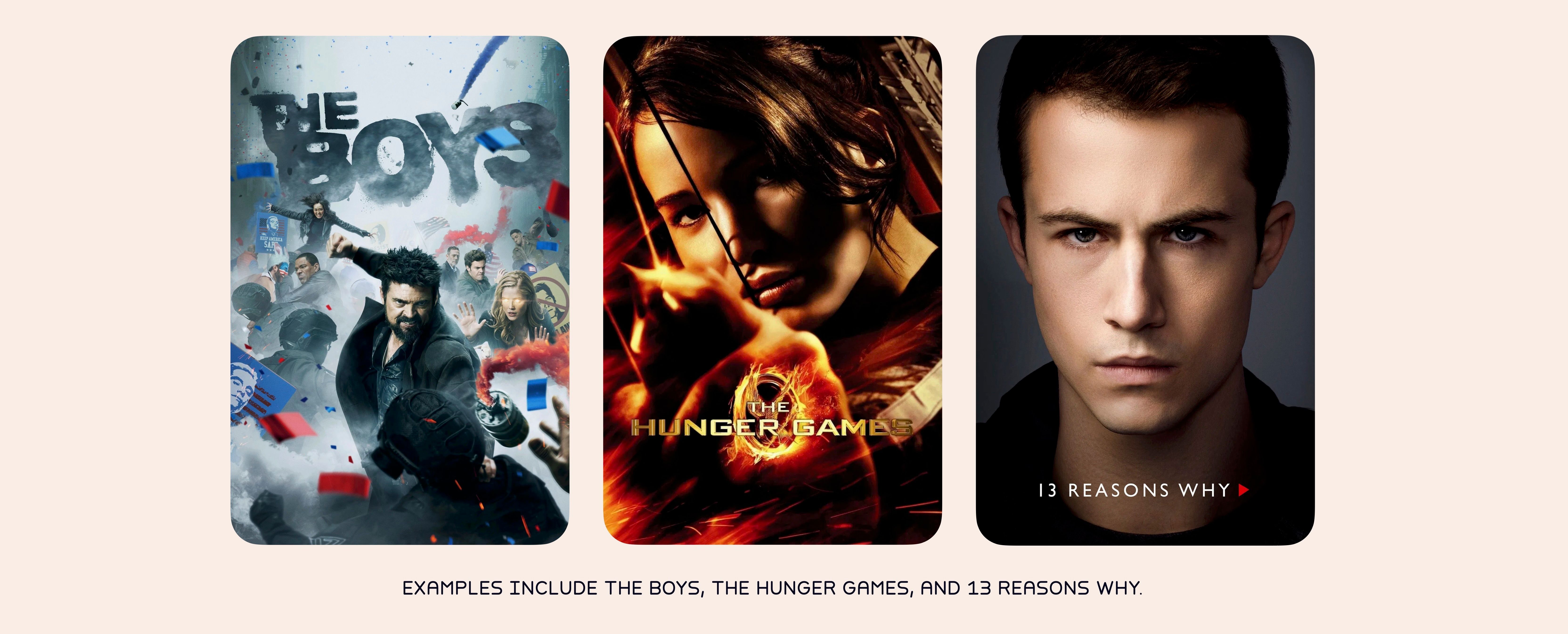
For order-valuing Tough Cookies, restoration looks like holding the line and defending against corruption or dysfunction while preserving the core structure of institutions. These audiences often enjoy procedurals and “competence” narratives because the type of work they honor involves doing the next right thing when something breaks.

Authority-valuing Don’t Tread On Me engages with stories led by fiercely independent outsiders who hold systems accountable. The preferred restoration arc exposes corruption and demands a return to first principles rather than collective mobilization or insider reform.
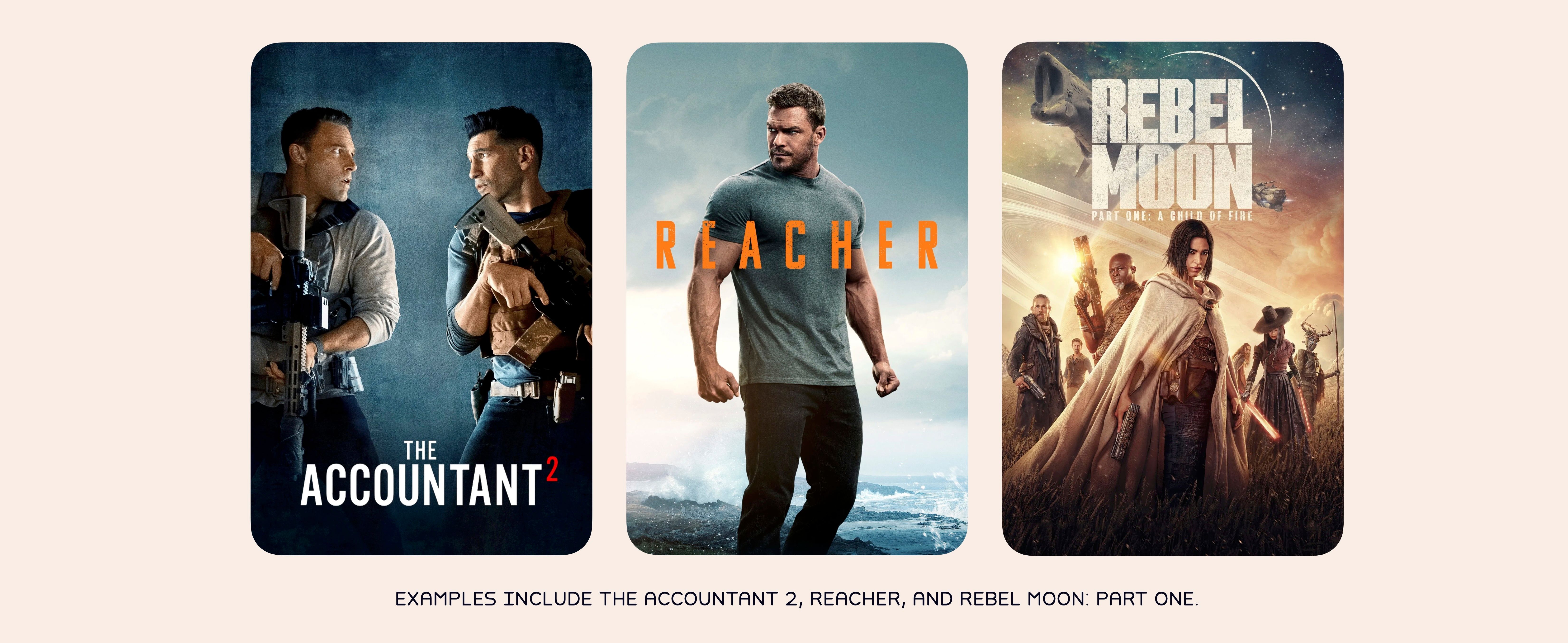
Taken together, these hero types point to the reality that democracy stories aren’t confined to one genre, setting, or narrative arc. They can star an insider or an outsider as the protagonist, and they can be about rebuilding as much as overturning a system. When you know which hero archetype your story is using, you get a clearer read on who it’s likely to reach, and which audiences you might be leaving out.
Phase 2 went beyond describing patterns. We also created 30+ original storylines, each tailored to an audience’s preferred hero journey, to identify the features that most reliably affected people’s beliefs about democracy, as well as their sense of agency and ability to imagine a better future. Here’s what we recommend, based on what we learned:
Storytellers have wide creative range here. Many different actions, worlds, and outcomes can support pro-democracy narrative goals, especially when characters have meaningful opportunities to act on something—whether they’re transforming, restoring, or doing both over time.
To explore the study in depth, access Part I and Part II of the full report, or watch the video of our recent research briefing. If it sparks ideas or questions, reach us at [email protected].